
Backyard Guide
Backyard makeover ideas that improve how the space feels and functions
Good backyard makeovers are not only about making the yard look newer. They make it easier to use, easier to understand, and more pleasant to spend time in. The strongest transformations usually come from better layout and atmosphere, not from squeezing in every possible feature.
A lot of backyards already contain the raw ingredients for a good space: enough sunlight, enough size for one or two seating areas, and some degree of planting around the edges. What they often lack is hierarchy. One part of the yard does not clearly matter more than the others. When that happens, the whole space feels like leftover pieces instead of an intentional outdoor room.
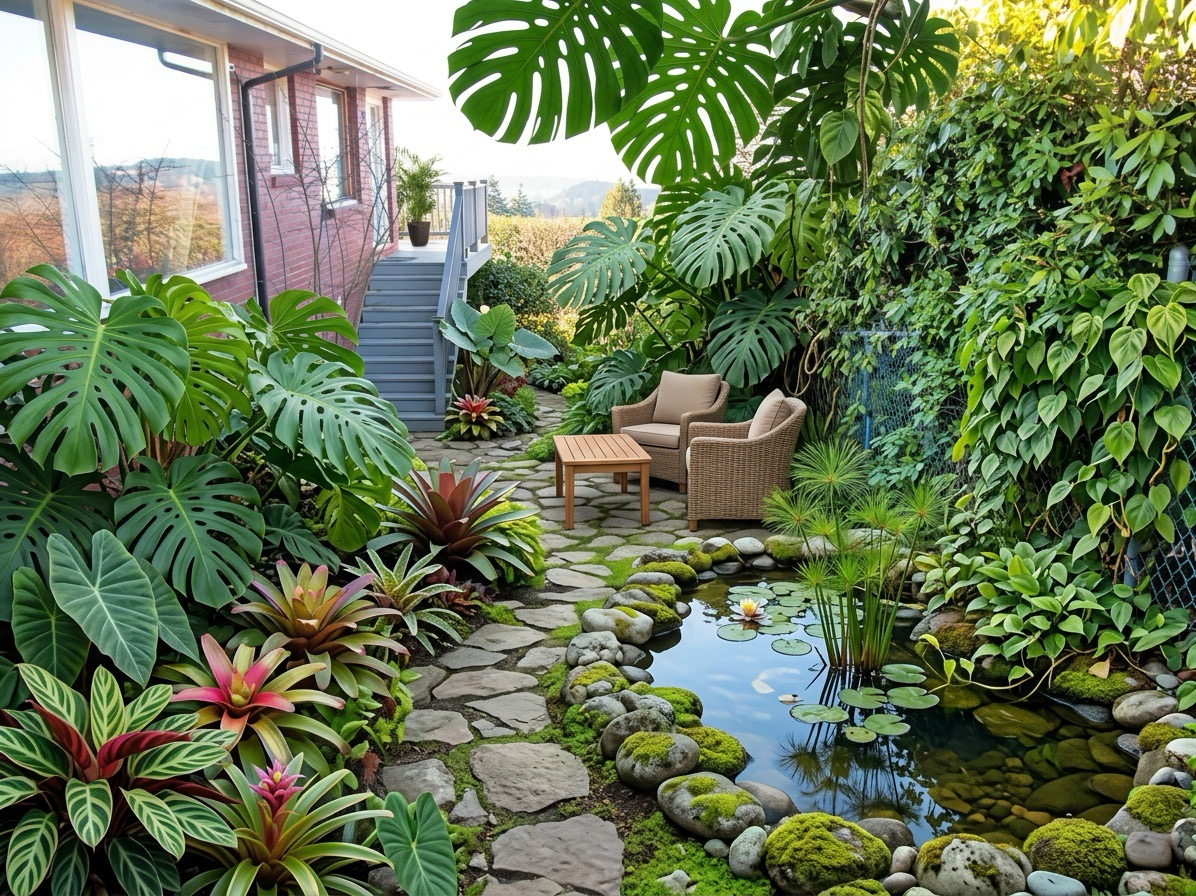
Create one clear center of gravity
Most backyards improve when there is one area that feels like the main destination. That might be a dining zone, a shaded lounge, or a fire pit area. Without that center, the yard can feel scattered.
That center of gravity should usually be the part of the space that solves the main purpose of the yard. If the goal is outdoor meals, then the dining area deserves the best light control, easiest access, and strongest visual definition. If the goal is retreat, then the seating zone should feel protected and comfortable rather than exposed in the middle of the lawn.
Use shade as a design decision
Shade changes whether a space gets used. Pergolas, trees, umbrellas, and covered edges do more than cool the yard. They create comfort and define rooms outdoors.
One of the biggest reasons a backyard looks finished in photos but fails in real life is that the most attractive seating area becomes unusable during heat or strong afternoon sun. Shade is not an afterthought. It shapes where people naturally spend time and how long they stay there. Even partial shade can make a garden feel far more intentional.
Planting should support mood
Dense planting can make a space feel enclosed and lush. Simpler planting can make it feel open and modern. The right answer depends on whether you want energy, calm, privacy, or softness.
- Use repeated plants to create rhythm
- Anchor seating with structure around it
- Keep circulation paths readable
- Let one feature lead instead of many competing features
The point is not to plant more. The point is to plant with a clearer role. Edge planting can create privacy. Repetition can create rhythm. Taller planting can pull the eye upward and make the yard feel more enclosed. Lower planting can keep the space feeling open and social. Good planting decisions are emotional decisions as much as botanical ones.
Think in zones, not objects
Backyard projects often go wrong when people shop for objects instead of planning zones. They buy a table, then a bench, then another planter, then maybe an umbrella, but the yard still feels unresolved because the overall zones were never properly defined. A better approach is to think in outdoor rooms:
- Arrival and transition zone
- Main seating or dining zone
- Planting or soft perimeter zone
- Secondary activity zone such as lawn or fire pit
When those zones are clear, furniture choices become easier because they are supporting a plan instead of trying to create one after the fact.
Hardscape deserves more attention than most people give it
Backyard makeovers often focus heavily on furniture and planting because those feel more expressive. But hardscape usually controls the garden more powerfully. Path width, terrace shape, edge alignment, and surface change all influence whether the yard feels stable and coherent. If the hardscape is awkward, no amount of styling will completely hide it.
Do less, but do it more clearly
Backyard redesigns often get better when one strong idea replaces four smaller weak ones. A better path layout may matter more than another planter. A better shade zone may matter more than more furniture.
This is especially true in medium and small backyards. Trying to fit a lounge, a dining set, a fire pit, a water feature, a lawn, and multiple ornamental corners into one modest yard usually reduces the quality of every part. Editing is part of design maturity. When one zone is stronger, the whole garden feels more resolved.
Think about nighttime early
Many people evaluate backyards only in daylight but use them most in the late afternoon or evening. A makeover that improves the yard after dark can have a huge impact even if the material changes are modest. Consider where light should guide movement, where it should create softness, and where darkness should remain for contrast.
Privacy should feel designed, not defensive
Backyards often need privacy, but the solution does not have to feel boxed in. Layered planting, partial screening, and changes in orientation can create comfort without making the yard feel sealed shut. The most effective privacy strategies often combine more than one move instead of relying on one blunt barrier.
A useful backyard makeover mindset
The strongest backyard projects usually answer four questions clearly: where do people sit, how do they move, what sets the mood, and what deserves attention first? If those questions are answered well, almost every style can work better. If those questions remain unresolved, even expensive features can feel temporary or random.