
Visualization Guide
How to visualize garden ideas before you build them
People make better outdoor decisions when they can compare ideas visually. That sounds obvious, but many garden projects still move forward based on loose inspiration, vague conversations, or one reference image that does not really match the site. Visualizing the options first gives you a better basis for judgment.
The point of visualization is not to create a perfect final image on day one. It is to make the decision process sharper. Once you can see a few possible futures for the same garden, weak ideas become easier to discard and stronger directions become easier to recognize.
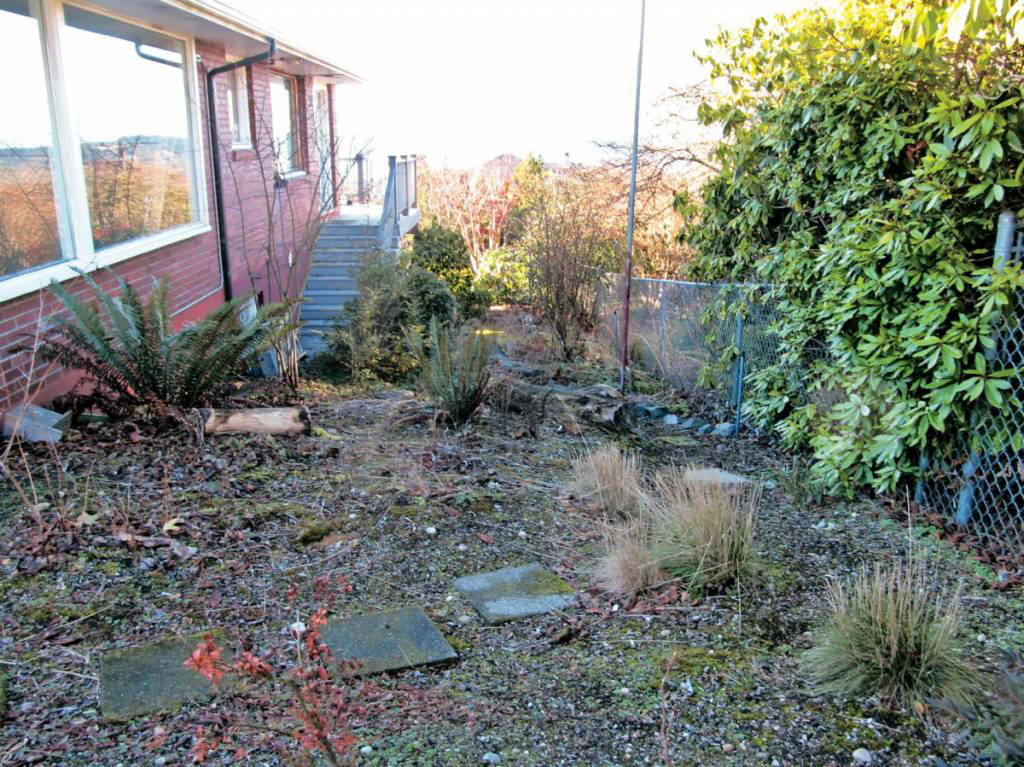
What should be visualized first
- Main layout and circulation
- Planting density
- Large structural features
- The difference between more open and more enclosed moods
These questions matter more than decorative details because they influence the whole garden. If the layout is wrong, better furniture does not solve it. If the mood is wrong, nicer planting choices may still leave the space feeling off.
Why comparison matters more than a single concept
One design direction is useful. Two or three contrasting ones are much more useful. You learn faster when you can compare a cleaner scheme against a softer one, or a more structured garden against a looser planted version.
Comparison is powerful because it reveals preference through contrast. Many people do not know exactly what they want until they can reject something clearly. The process becomes less abstract when options are visible side by side.
Do not visualize tiny details too early
Start with the moves that change the overall reading of the site. Fine details like specific planters, decor, or small ornament matter much less before layout and atmosphere are resolved.
This is where people often waste time. They try to decide on exact accessories before deciding whether the space should feel more open, more sheltered, more formal, or more natural. The big moves should happen first.
Use multiple viewpoints
If possible, think about the garden from more than one important angle. The view from inside the house, the approach from the entry, and the main seating perspective may all reveal different problems. A design that looks good from one hero angle but weak everywhere else is not finished.
Visualize mood, not only objects
Objects are easy to count, but mood is what people actually remember. Does the garden feel calm, social, lush, bright, private, or refined? Those qualities often matter more than the specific number of chairs or planters in the scene.
When visualization is especially useful
- When the garden feels directionless
- When two style options are competing
- When structural additions are being considered
- When you need to explain your thinking to someone else
Visual tools are especially valuable in moments of uncertainty. They do not replace judgment, but they make judgment easier.
The practical goal
The best result is not a single image you copy exactly. It is a clearer understanding of where the garden should go next. If visualization helps you answer that question, it has already done valuable work.
What good visualization changes psychologically
People often move from vague frustration to practical decision-making once they can see alternatives. Instead of saying that something feels off, they can describe the issue more precisely. The path may be unclear. The seating zone may need more enclosure. The planting may be too busy for the house. That shift in language matters because it turns emotion into design direction.
Why this helps with budget decisions too
Visualization can save money indirectly. Once the bigger moves become clearer, low-impact purchases lose some of their appeal. A stronger path, a cleaner terrace edge, or a better relationship between structure and planting often matters more than a collection of decorative details. Seeing the garden more clearly changes spending priorities.
Final thought
Visualization is valuable not because it produces certainty, but because it reduces avoidable ambiguity. If a tool or process helps you understand the garden more clearly before you build, it is already doing real design work.