
Plant Guide
Read the garden you already have before you redesign around it
Many garden makeovers focus only on what to add. A better approach is to understand what is already working in the space. Existing plants affect structure, shade, maintenance, and the overall mood of the garden. Redesign gets stronger when you know which plants deserve to stay, which ones need support, and which ones are making the space harder to use.
People often underestimate how much information is already present in a mature garden. The plants tell you where the site is comfortable, where maintenance pressure accumulates, where shade is stronger than expected, and where growth may eventually overwhelm the design. Reading those signals well can save both money and regret.
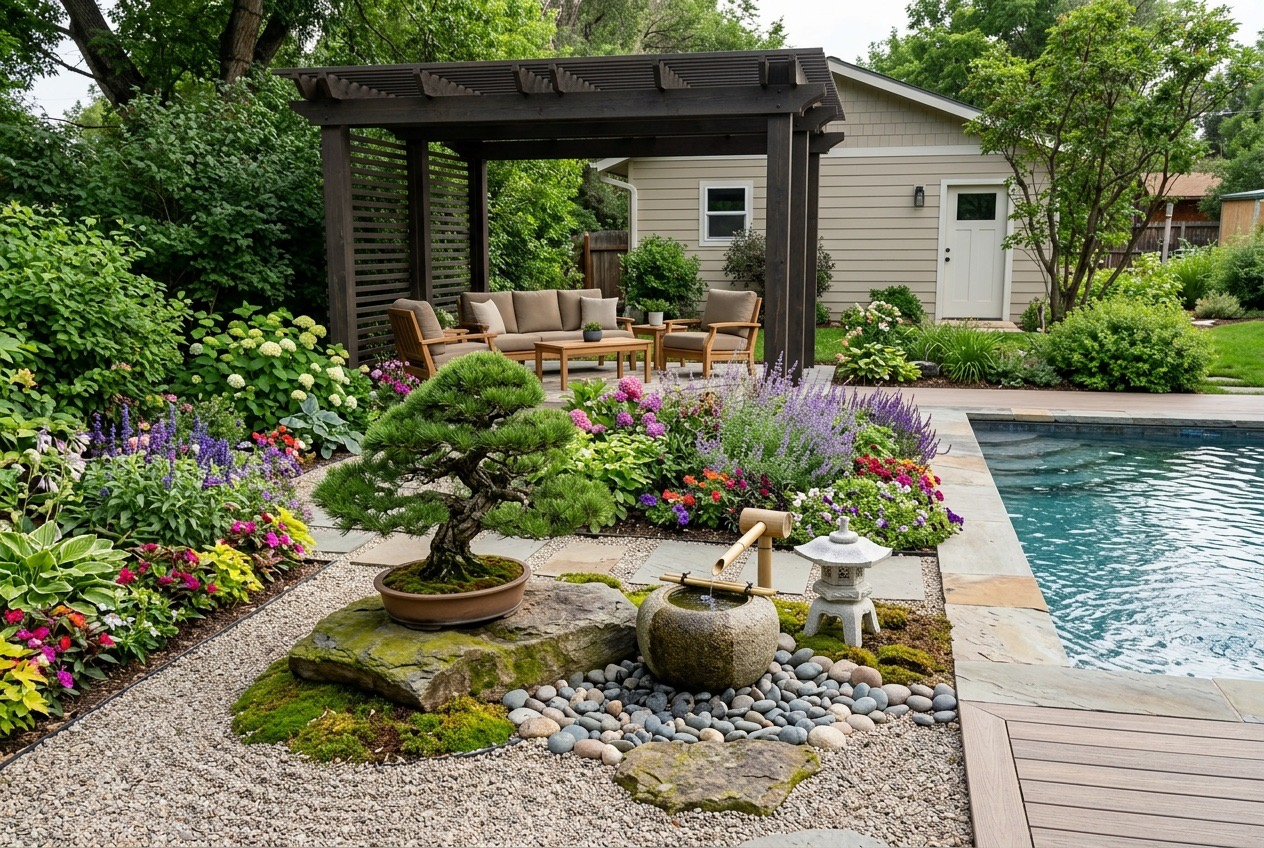
Four questions to ask about existing plants
- How much watering do they realistically need?
- Are they in the right sunlight conditions?
- Do they grow quickly enough to dominate the layout?
- How much maintenance do they quietly demand?
These questions matter because garden design is not only a visual exercise. It is also the shaping of living material over time. A plant that looks innocent today may become the dominant force in a border in two years. A plant that constantly struggles may be telling you that the site and the species were never aligned properly.
Why this matters for redesign
If a planting scheme is already hard to maintain, adding more around it often compounds the problem. If certain plants already create strong structure or seasonal interest, removing them too quickly may erase the best part of the garden.
That is why it helps to distinguish between plants that are merely present and plants that are carrying the garden. Some plants anchor scale, create seasonal rhythm, or soften a hard edge beautifully. Others absorb work without giving much back. Redesign improves when that difference becomes clearer.
Look for patterns, not isolated issues
One struggling plant may be a small problem. A whole bed that needs more water than the rest of the site points to a larger design mismatch. Good garden planning looks for those patterns before making aesthetic decisions alone.
Patterns reveal design logic. If one side of the yard burns out, the exposure may be too intense. If one border becomes overgrown much faster than the rest, the balance of plant vigor may be uneven. If all the highest-maintenance plants are concentrated near the least convenient part of the garden, the maintenance burden may be structured poorly.
Existing plants affect atmosphere
Plants are not only functional or horticultural. They shape mood. Dense evergreen structure can make a garden feel enclosed and private. Light, moving grasses can make it feel looser and more open. Repeated shrubs can make the space calmer. Seasonal bursts can make it feel more expressive. Before redesigning, it is useful to ask what emotional work the current planting is doing.
Maintenance is a design quality
People often treat maintenance as a separate practical matter, but it is part of the design itself. A planting palette that constantly asks for correction, staking, pruning, deadheading, or rescue watering is shaping how the garden is experienced. If a garden only looks good under intense effort, that effort should be acknowledged as part of the design cost.
When to keep, edit, or remove
- Keep plants that provide structure, health, and useful seasonal rhythm
- Edit plants that are visually valuable but need clearer context around them
- Remove plants that constantly disrupt maintenance, circulation, or composition
This kind of triage is more useful than treating every existing plant as equally important. A garden often becomes better not by wiping everything clean, but by making sharper distinctions.
A practical mindset
Before redesigning a garden, try reading it like a living system rather than a blank design board. Once you understand what the current planting is doing well and poorly, aesthetic decisions become much more grounded.