
Style Guide
Zen garden design works when the space feels quieter, not just emptier
Zen garden design attracts people who want calm, restraint, and visual breathing room. But quieter design is not the same as simply removing things. The space still needs structure, rhythm, and intention.
That distinction matters because many people try to create calm by subtraction alone. They strip away color, remove planting, and simplify materials, but the garden still feels unresolved. Calm comes from relationship and composition, not only from having fewer parts.
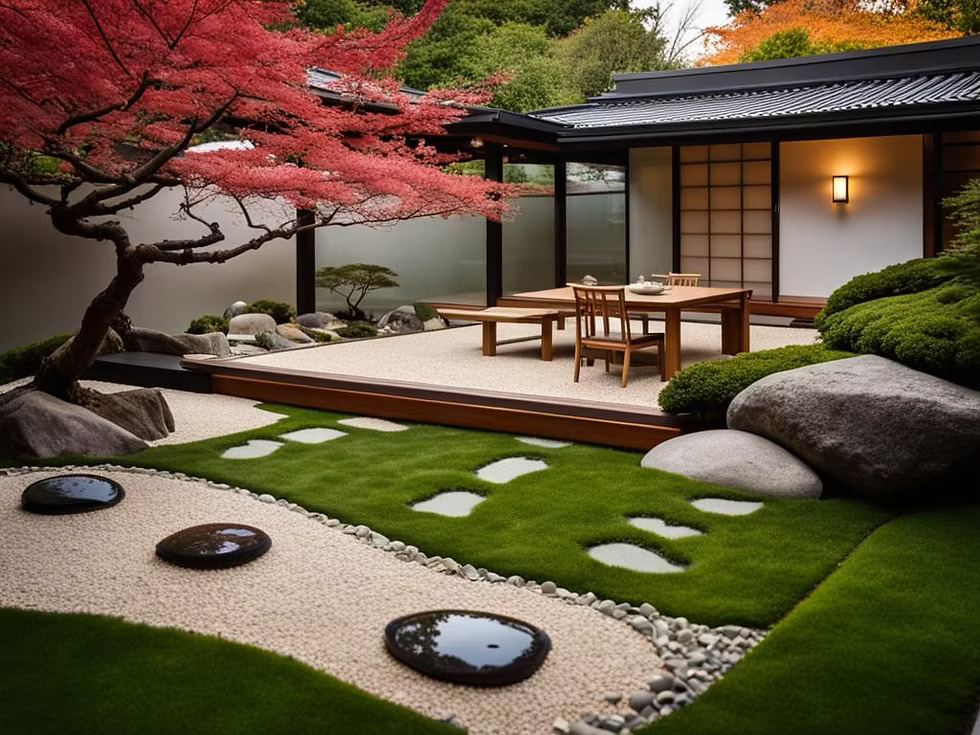
What gives a garden a Zen quality
- Simple paths and slower visual movement
- Fewer, more deliberate planting decisions
- Textures like gravel, stone, and calm water
- Better use of negative space
Negative space is especially important. Many gardens leave no room for stillness. Every edge is planted, every corner is occupied, and every bed is trying to show variety. Zen-inspired spaces usually breathe better because they allow some areas to be quieter.
Why people misread this style
Many people assume Zen design means minimal at all costs. In reality, the style still needs enough structure and contrast to feel complete. Otherwise the result can seem unfinished instead of peaceful.
A garden without enough contrast can feel flat. A garden without enough structure can feel accidental. Zen design still needs rhythm, emphasis, and weight. The difference is that these qualities are expressed more subtly than in louder garden styles.
How to apply the style well
Use fewer moves, but make those moves stronger. Let materials and path rhythm do more work. Keep the planting calm and intentional rather than dense and overly varied.
One good question is whether the garden encourages slower looking. If the eye has to process ten competing ideas at once, the space is moving away from calm. If the sequence of path, planting, and open space feels measured, the style is moving in the right direction.
Water and stone as emotional tools
Water and stone are powerful in Zen-influenced landscapes because they slow the reading of the space. But they only work if their placement is deliberate. A water bowl or gravel plane should feel integrated, not symbolic for its own sake.
Planting for calm
Planting in a Zen direction usually works best when it avoids too much novelty. Fewer species, more repeated form, and more controlled transitions often feel stronger than highly mixed planting. The effect should be composed rather than decorative.
When the style fits best
Zen-inspired design can work especially well where the goal is retreat, contemplation, or visual relief. It may be less appropriate if the main ambition is high-energy entertaining or a garden full of seasonal exuberance. The style should match the life of the space.